

Skip to content

Prof. Olutayo S. SHOKUNBI

Imagine the world of Nutritional Science and Disease Management from Natural Resources.

Functional Foods Developer & Professor of Nutritional Biochemistry & Toxicology

62nd Inaugural Lecture · June 4, 2026

Join colleagues, students and well-wishers in celebrating Prof. Shokunbi. Add your message to the wall.

Send your congratulations

A working philosophy

Food can nourish.
Food can heal.
Food can harm.

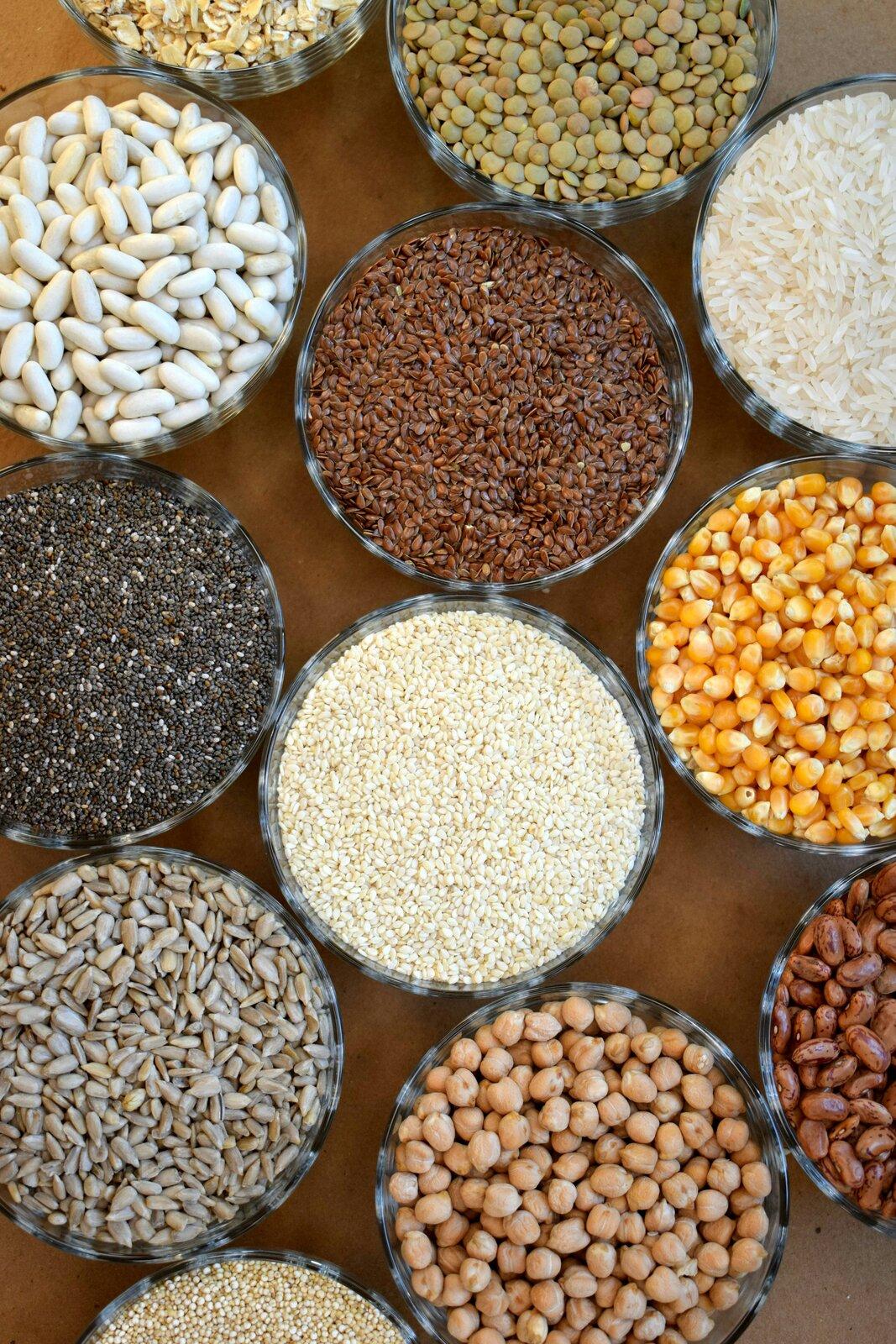
  • Indigenous grains and legumes
  • Medicinal herbs and plant bioactives
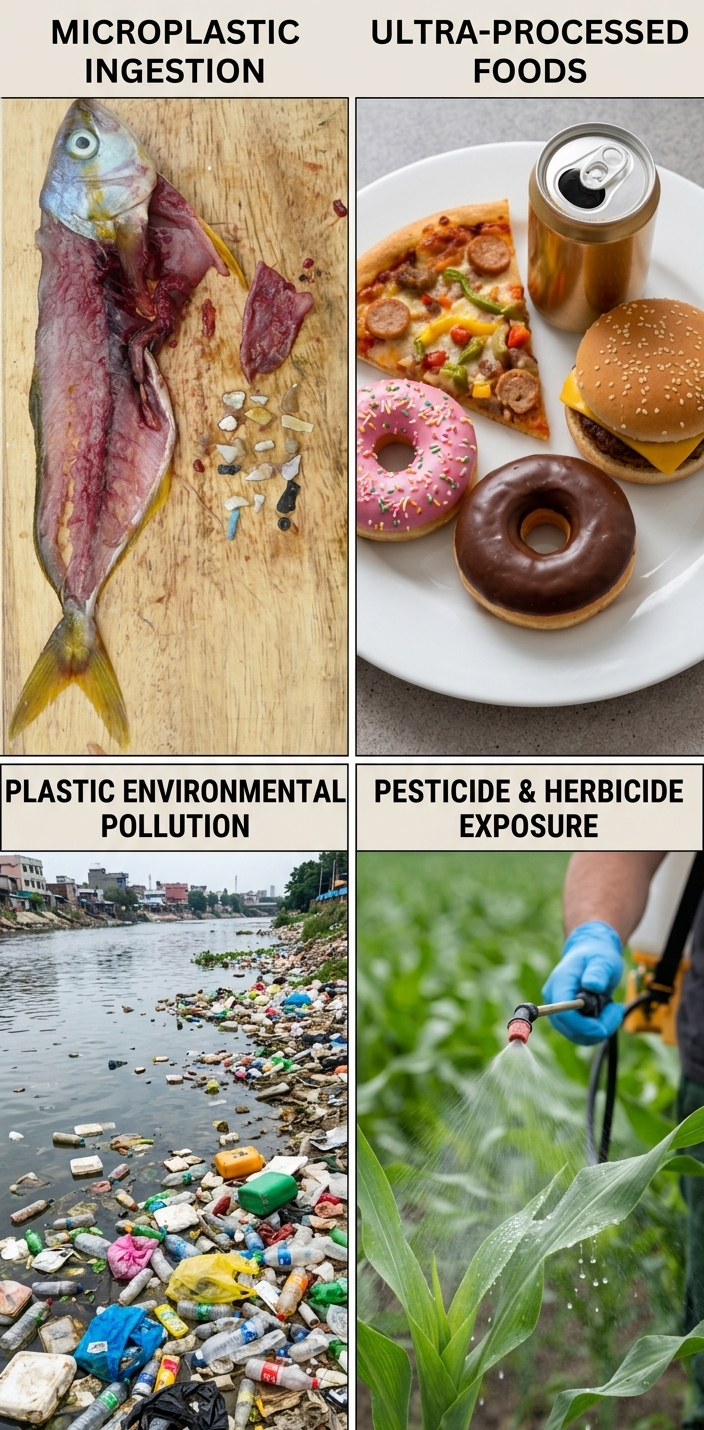
  • Four food harms: microplastic ingestion, ultra-processed foods, plastic pollution, and pesticide exposure

Most investigators study either the nutritive or the toxic. Prof. Shokunbi holds both, because the African plate insists on it. The same cassava that feeds a village can, under poor processing, harm it. The work is patient with two sides of an answer at once.

By the numbers

Two decades, briefly summarised.

Figures current to 2026. The full register is maintained in publications and curriculum.

  • 40+

    Peer-reviewed publications

    18 in Scopus-indexed journals

  • 21

    Years in the academy

    Lecturer to Professor

  • 200+

    Postgraduate candidates supervised

  • 100+

    Research projects led

    Local and internationally funded

  • 100+

    Invited speaking engagements

  • 50+

    Honours & certifications

Research

Six divisions, held in one hand.

The work spans the molecule and the meal, the nutrient and the contaminant. Each division feeds the next.

View the research in full →

Division 01

Nutritional Biochemistry.

Studying how nutrients and dietary components interact at the molecular and cellular levels to influence human health.

Provides the scientific foundation for understanding how diet affects metabolism, disease prevention and overall well-being.

Division 02

Toxicology & Food Safety.

Evaluating harmful substances in food, including their biochemical effects, toxicity and safe exposure limits.

Ensures food systems are safe, regulated and protective of public health, particularly in environments with rising chemical exposure.

Division 03

Functional Foods & Nutraceuticals.

Researching bioactive compounds in foods that provide health benefits beyond basic nutrition.

Supports development of health-promoting foods and innovative products that can prevent or manage non-communicable diseases.

Division 04

Environmental Health & Emerging Contaminants.

Investigating microplastics, pesticides, heavy metals and industrial pollutants, and their interaction with food systems and human biology.

Addresses growing global concerns about hidden risks in food and the environment, with implications for long-term health and sustainability.

Division 05

Research, Capacity Building & Academic Leadership.

Leadership in postgraduate education, research development and the mentoring of emerging scientists.

Strengthens research capacity, innovation and knowledge transfer, ensuring the next generation of research leaders is groomed early and well.

Division 06

Genotoxicity & Mutagenicity.

Assessing substances that can damage DNA or cause genetic mutations through dietary or environmental exposure.

Critical for identifying risks linked to cancer, hereditary disorders and long-term health effects, enabling preventive strategies.

Selected publications

Six papers, from the recent record.

All 40+ publications →
  • 2025
    • Microplastics
    • Food safety

    From source to distribution channel: A baseline study of microplastic occurrence in drinking water in Ogun State, Nigeria.

    Shokunbi, O. S., Makanju, F., Nneoma, J., & Shokunbi, O. S.

    Environmental Monitoring and Assessment

    197(4): 1–14

  • 2025
    • Functional foods
    • Metabolic disease

    Effect of ketogenic diet on selected cardiometabolic-related diseases.

    Ogbonnaya, F. C., & Shokunbi, O. S.

    Baghdad Journal of Biochemistry and Applied Biological Sciences

    6(1): 65–77

  • 2024
    • Maternal & child health
    • Complementary foods

    A 10-year (2014–2023) review of complementary food development in sub-Saharan Africa and the impact on child health.

    Ogunniran, O. P., Ayeni, K. I., Shokunbi, O. S., Krska, R., & Ezekiel, C. N.

    Comprehensive Reviews in Food Science and Food Safety

    23, e70022

  • 2024
    • Functional foods
    • Plant bioactives

    Modulatory effect of dietary Pentadiplandra brazzeana Baill root supplemented feed in oedematous and polyarthritic rats.

    Egbule, M. N., Shokunbi, O. S., & Anyasor, G. N.

    Tropical Journal of Natural Product Research

    8(5): 7278–7286

  • 2023
    • Microplastics
    • Food safety

    A study of the microplastic contamination of commercial table salts: A case study in Nigeria.

    Shokunbi, O. S., Jegede, D. O., & Shokunbi, O. S.

    Environmental Health Engineering and Management Journal

    10(2): 217–224

  • 2023
    • Mineral surveillance
    • Dietary intake

    Potassium, sodium, calcium and magnesium levels of commonly consumed foods and estimates of dietary intakes of selected Nigerian adults.

    Shokunbi, O. S., Adepoju, O. T., Ramaite, I. D. I., Shokunbi, O. S., Mojapelo, P. E. L., & Akinyele, I. O.

    Heliyon

    9: e13729

62nd Inaugural Lecture

Food as Medicine,
Food as Poison.

Navigating the double-edged plate.

A bold thesis. Nigeria already holds, within its indigenous food systems, the complete nutritional and pharmacological toolkit needed to address its burden of malnutrition and non-communicable disease.

Watch the lecture

June 4, 2026

Babcock University

Babcock University lecture hall

June 4, MMXXVI · Babcock University

Correspondence

Letters on research, advisory, or speaking.

Reach the office for collaboration, lectures, expert review or postgraduate mentorship. Replies typically within 48 hours.